Repairing a roof is almost always cheaper than replacing it, which is exactly why so many homeowners default to repair after repair even when the roof has quietly moved past the point where patching makes sense. At some point, continuing to fix individual problems stops being the economical choice and starts becoming a way of delaying an inevitable, larger cost.
Knowing when it’s actually time to replace your roof, rather than schedule another repair, comes down to a handful of specific indicators. Here are the five that matter most.
1. The Roof Is Approaching or Past Its Expected Lifespan
Asphalt shingle roofs are generally rated for somewhere between 20 and 30 years, depending on the material quality and how well the roof has been maintained and ventilated. In a climate like Sugar Land’s, where heat and humidity accelerate wear, roofs often land on the shorter end of that range unless they’ve been well cared for.
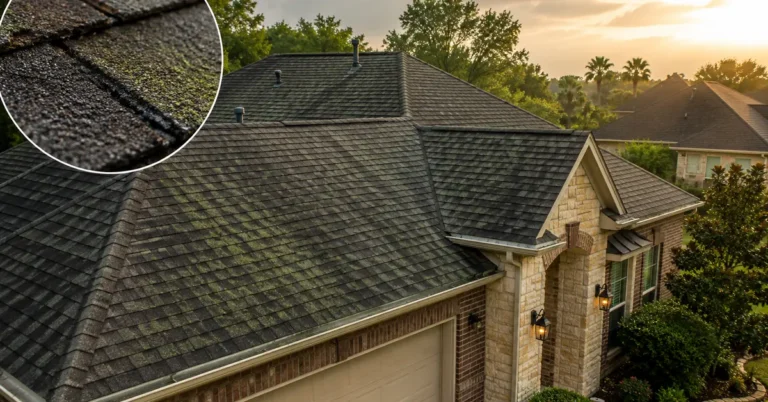
If your roof is already in its late teens or twenties and starting to show wear in multiple areas at once, a repair is treating a symptom of a roof that’s simply reaching the end of its useful life, not fixing an isolated issue. We covered how this kind of gradual wear develops in our post on how Sugar Land’s humid climate affects roof lifespan, and age combined with that kind of cumulative moisture exposure is one of the strongest indicators that replacement is the more sensible path forward.
2. Repairs Are Becoming Frequent and Scattered
One or two repairs over several years is normal roof maintenance. Needing a repair every year, or fixing problems in different sections of the roof each time, is a different situation. It usually means the roofing material itself has aged past the point where individual fixes hold up, even if each repair is done correctly.
This pattern often overlaps with several of the common roofing problems in Sugar Land homes showing up at once, granule loss in one area, a new leak near a different vent, curling shingles on another slope. When problems keep appearing in new spots rather than staying contained, that’s usually the roof telling you it needs full replacement rather than another round of patching.
3. Widespread Shingle Damage Rather Than Isolated Spots
A roof with a handful of damaged shingles in one section is a reasonable repair candidate. A roof with curling, cracked, or missing shingles spread across multiple slopes is a different story. At that point, the material has generally degraded broadly enough that replacing individual shingles won’t meaningfully extend the roof’s remaining life, since the surrounding shingles are likely close behind in condition.
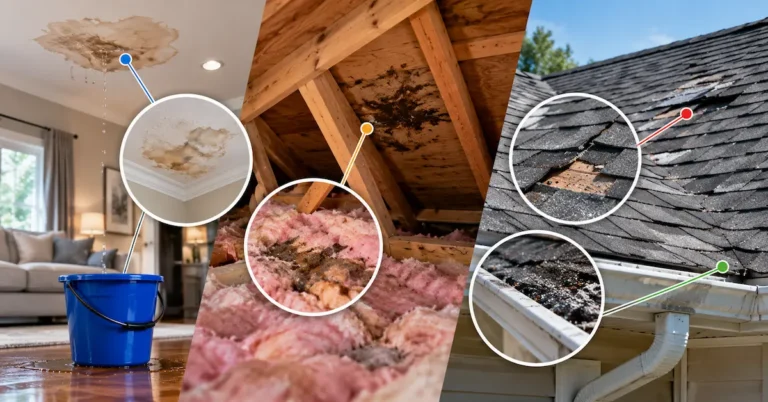
Granule loss visible in gutters across multiple areas of the roof, rather than concentrated in one spot, is a useful indicator of how widespread this kind of wear actually is.
4. Recurring Leaks or Signs of Deck Damage
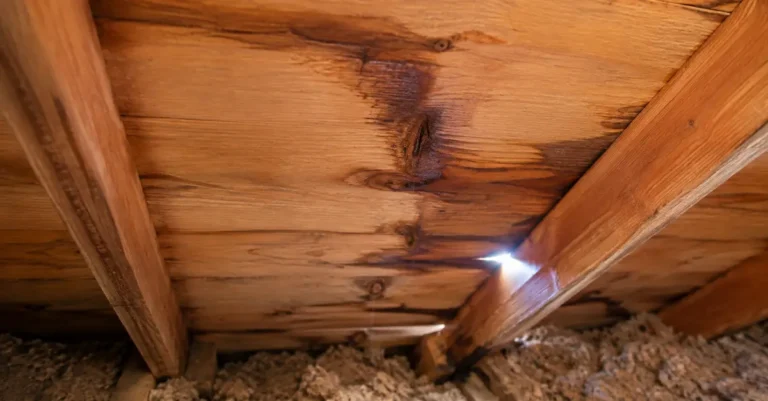
A single leak, especially one clearly tied to a specific point like damaged flashing, is typically a repair situation. Leaks that keep recurring in different locations, or that reveal soft or spongy sections of the roof deck when a repair crew gets up there, point to a bigger problem. Once the deck itself has been compromised by sustained moisture, patching the surface layer doesn’t address the structural issue underneath.
We’ve written previously about how to spot a roof leak before it spreads, and one of the clearest signals that a leak has moved past a simple repair is when it keeps returning after being addressed, or when a professional finds evidence of water damage extending into the decking or framing rather than staying limited to a single entry point.
5. Storm Damage That’s Extensive Rather Than Localized
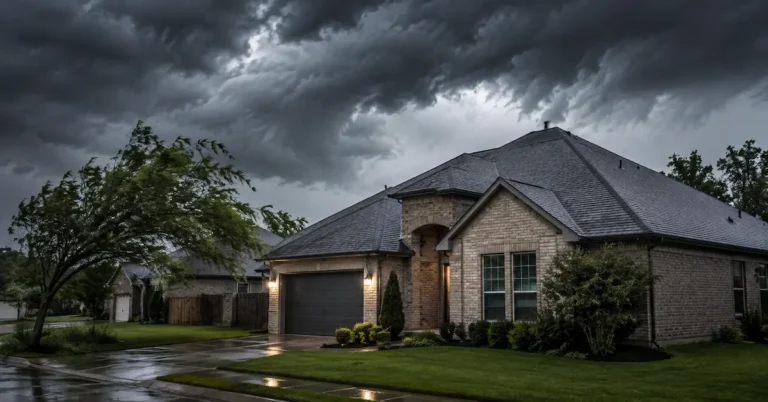
A roof that takes isolated hail impact or loses a small section of shingles in a windstorm is usually a repair job. A roof that comes through a significant storm with widespread damage across most of its surface is a different situation, and insurance adjusters often reach the same conclusion, since replacing a roof with damage spread broadly across it is frequently more practical and more cost effective than attempting a series of section by section repairs.
If your roof has recently been through a serious storm, a professional assessment can determine whether the damage is contained enough for repair or extensive enough that replacement is the more sensible route, factoring in both the roof’s current condition and its remaining expected lifespan.
Repair Versus Replace: How to Think About the Decision
A useful way to frame this decision is to ask whether a repair is solving a specific, isolated problem or simply delaying a replacement that’s already needed. A roof that’s relatively young, has one clear issue, and is otherwise in good condition is almost always worth repairing. A roof that’s older, has multiple overlapping issues, or keeps generating new problems after each repair is usually better served by replacement, even though it’s the larger expense upfront.
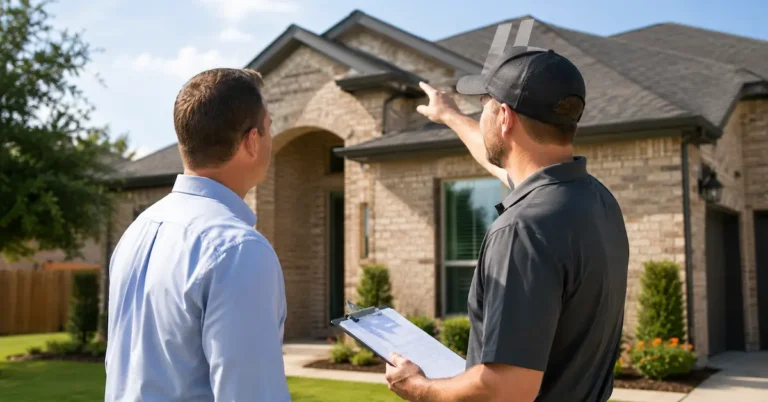
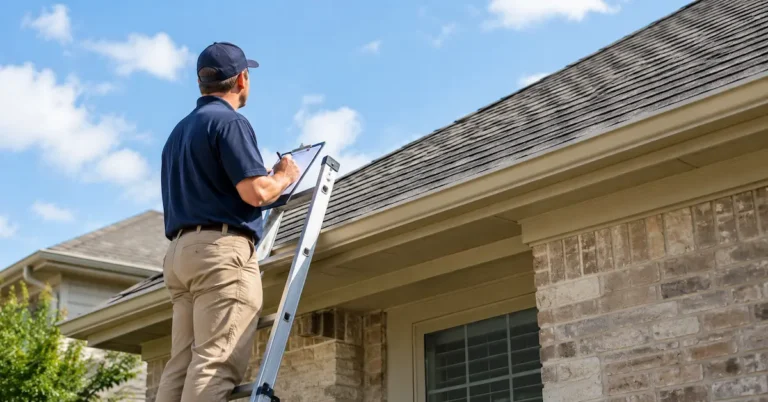
The clearest way to know which situation applies to your roof is a direct, professional roof inspection, since guessing based on visible symptoms alone can lead to either overspending on unnecessary repairs or underestimating how much work the roof actually needs.
What to Expect From a Replacement Decision
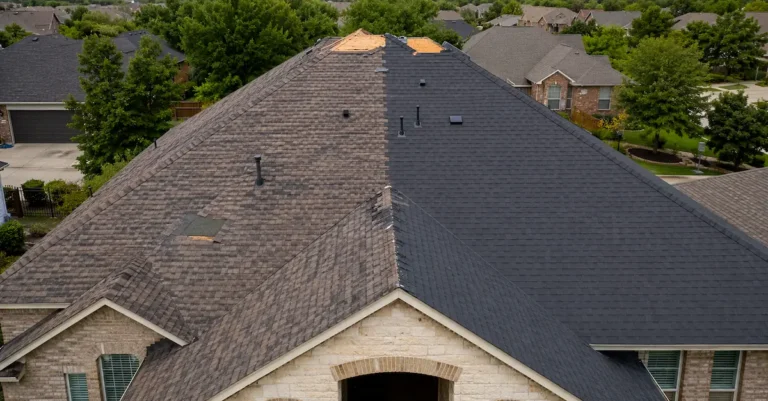
If an inspection points toward replacement, the process typically involves reviewing material options suited to the local climate, confirming proper attic ventilation as part of the new installation, and understanding both the manufacturer’s material warranty and the separate workmanship warranty covering the installation itself. A roof replacement is a significant investment, which is exactly why it’s worth going into it with a clear, documented understanding of why replacement was the right call rather than another repair.
The Bottom Line
Deciding it’s time to replace your roof rather than repair it again usually isn’t about one dramatic sign. It’s about a pattern: age, frequency of repairs, how widespread the damage actually is, and whether problems keep recurring despite previous fixes. Recognizing that pattern early prevents spending money on repairs that don’t meaningfully extend the roof’s life, while also avoiding the mistake of replacing a roof that still had reasonable life left in it.
If more than one of the signs above sounds familiar, having the roof assessed directly is the most reliable way to know which path actually makes sense for your specific situation.
FAQ
Is it ever worth replacing a roof before it actually fails?
Yes, particularly when a roof is showing widespread wear or recurring problems. Replacing proactively is often less disruptive and less costly overall than waiting for a full failure, especially before storm season when a weakened roof has less margin for error.
How do I know if my roof needs a full replacement or just a large repair?
This usually comes down to how widespread the damage is and whether the roof deck itself has been compromised. A professional inspection is the most reliable way to distinguish between the two.
Does insurance typically cover roof replacement?
Coverage depends on the cause of the damage and your specific policy. Storm related damage is more commonly covered than damage from gradual wear or age, but confirming the details with your insurer is the only way to know for certain in your situation.
How long does a roof replacement typically take?
Timelines vary based on the size of the roof, the material chosen, and weather conditions during installation, so it’s best to get a specific timeline from whoever performs the assessment.
How much does a roof replacement cost?
Cost depends heavily on the size of the roof, the materials selected, and the condition of the existing structure underneath. The most accurate way to know is to have the roof assessed directly.