Sugar Land sits in a humid subtropical climate zone, which means your roof deals with a different set of stresses than one in Dallas, Denver, or Phoenix. It’s not the heat alone, and it’s not the rain alone; it’s the combination, day after day, year round, that quietly shortens how long a roof actually holds up.
Most homeowners don’t think about humidity as a roofing problem until they see dark streaks on their shingles or notice a musty smell in the attic. By then, the moisture has usually been doing damage for a while. Understanding how humidity actually affects your roof, and what you can do about it helps you catch problems early instead of discovering them as a leak.
Why Sugar Land’s Climate Is Tougher on Roofs Than It Looks
Sugar Land’s Gulf Coast proximity means the air holds a lot of moisture for most of the year, with relative humidity commonly climbing into the 70s (percent) during the summer months. Combine that with long stretches of high heat and intense UV exposure, and a roof here is working against several forces at once instead of just one.
A few things make this climate particularly demanding on roofing materials:
- Extended warm-and-wet seasons. Unlike drier climates where a roof gets a real chance to fully dry out between rain events, Sugar Land’s humidity means moisture can linger on and under roofing surfaces for extended periods, even without a fresh downpour.
- Heat and humidity together. High attic temperatures combined with moist air create ideal conditions for condensation to form inside the attic space, not just on the roof surface.
- Frequent thunderstorms. Gulf moisture feeds regular storm activity through spring and summer, which means roofs are exposed to repeated wetting-and-drying cycles rather than occasional rain.
None of this means a roof in Sugar Land is doomed to fail early. It means the climate here rewards proactive maintenance more than climates that are simply dry and mild.
How Humidity Actually Damages a Roof
Humidity doesn’t punch a hole in your roof the way hail or a fallen branch might. It works more gradually, through a handful of specific mechanisms.
Algae and Moss Growth
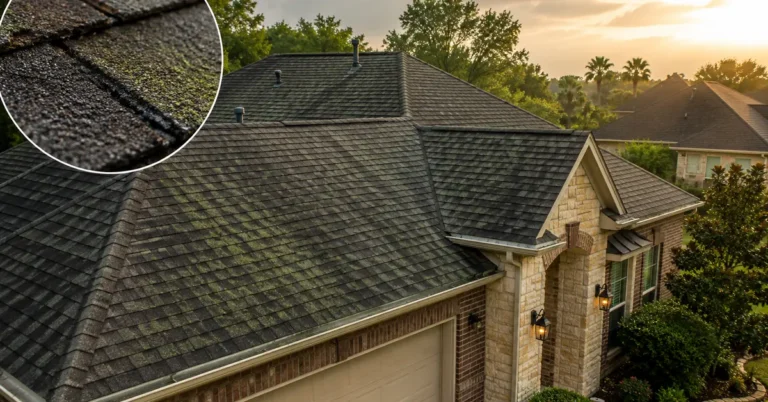
Persistent moisture combined with warmth creates favorable conditions for algae, particularly the type that leaves dark streaks across asphalt shingles. This is mostly a cosmetic issue at first, but moss is a different story, moss holds water directly against the shingle surface, which keeps that section of the roof from ever fully drying. Over time, that trapped moisture can degrade the shingle’s protective granules and the mat underneath them.
Moisture Absorption and Adhesive Breakdown
Asphalt shingles rely on a sealant strip between courses to stay locked together and resist wind uplift. Chronic moisture exposure can gradually weaken that adhesive bond, which is one reason older roofs in humid regions are more prone to shingle lifting during storms than the same-age roofs in drier climates.
Attic Condensation
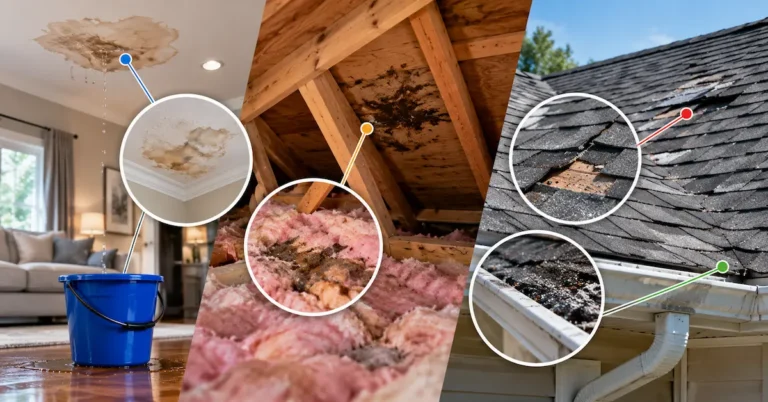
When warm, humid outside air meets cooler surfaces inside a poorly ventilated attic, condensation forms, essentially rain falling on the underside of your roof deck. Over years, this can lead to wood rot in the decking, rusted fasteners, and even mold growth that has nothing to do with an actual roof leak.
Wood Rot in Underlying Structures
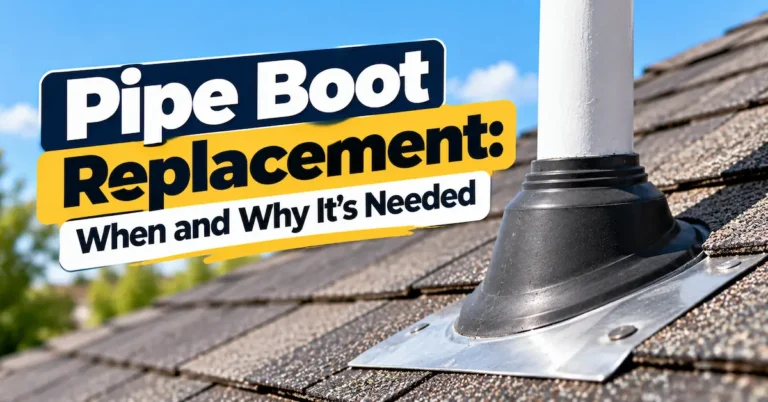
If moisture works its way past the shingles, through aging flashing, a cracked pipe boot, or wind-lifted shingles, the humid environment slows down the drying process. Wood that would dry out relatively quickly in an arid climate can stay damp for days in Sugar Land’s air, giving rot and fungal growth more time to take hold.
Rust on Metal Components
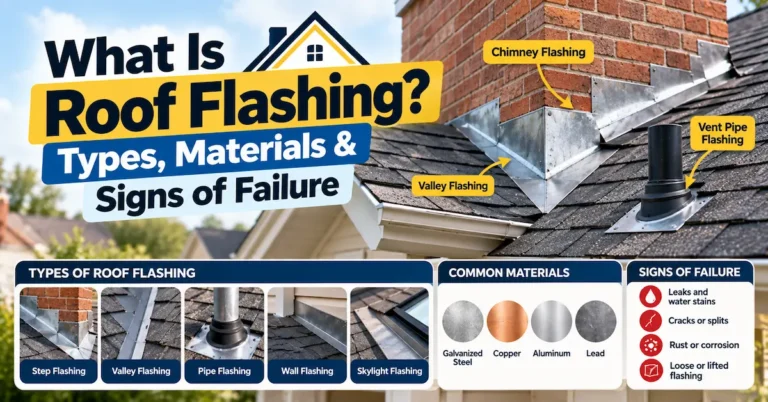
Flashing, fasteners, gutters, and any exposed metal roofing components are more susceptible to corrosion in consistently humid air, especially where two different metals meet or where a protective coating has worn thin.
What This Means for Roof Lifespan
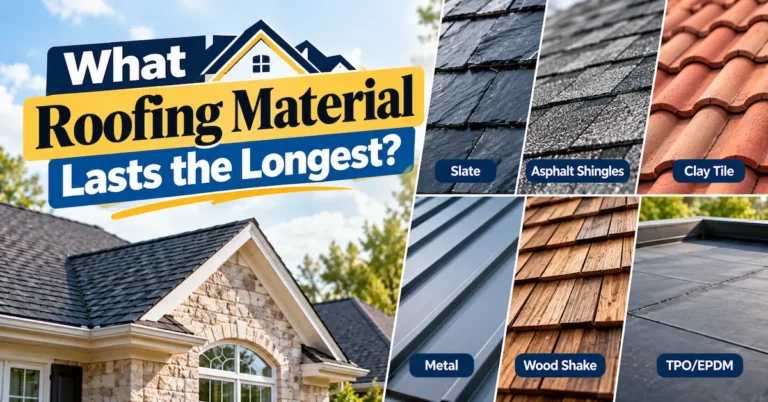
Asphalt shingle roofs generally last somewhere in the range of 15 to 30 years depending on material quality, installation, and climate, with most manufacturers rating standard shingles for 20 to 30 years under ideal conditions. In consistently hot, humid regions, that realistic lifespan often lands on the shorter end of that range unless the roof is well-ventilated and properly maintained.
This isn’t unique to Sugar Land, it applies broadly to Gulf Coast and Southeast climates. It’s simply the tradeoff of living somewhere with mild winters and lush greenery: the same moisture that keeps lawns green year-round is working against your shingles at the same time.
The good news is that most of humidity’s damage is slow and preventable. A roof that’s properly ventilated, regularly inspected, and kept clear of debris and moss will consistently outperform an identical roof that’s neglected often by years.
Signs Humidity May Be Affecting Your Roof
Keep an eye out for:
- Dark streaks or stains running down the shingles, especially on north-facing slopes that get less direct sun
- Green or black patches that indicate moss or algae growth
- Curling or lifting shingle edges, particularly in areas that stay shaded and damp
- A musty or damp smell in the attic
- Visible condensation or water spots on the underside of the roof deck when viewed from the attic
- Rust streaks near flashing, vents, or metal fasteners
- Granules collecting in gutters faster than expected for the roof’s age
Any one of these on its own isn’t necessarily an emergency, but together or if they’re progressing over time they’re worth having a professional take a look at.
What Homeowners Can Do About It
Prioritize Attic Ventilation
Proper intake and exhaust ventilation (soffit vents paired with ridge or roof vents) allows humid air to escape the attic instead of condensing against the roof deck. This is one of the single most effective ways to reduce humidity-related roof damage, and it’s often overlooked because ventilation problems aren’t visible from the ground.
Keep the Roof Clear of Debris
Leaves, pine needles, and branches trap moisture against the shingle surface and give algae and moss something to grow into. Regular debris removal, especially after storms, reduces how long any section of the roof stays wet.
Schedule Routine Inspections
Because humidity damage develops gradually, it’s easy to miss from the ground. A professional roof inspection can catch early moisture intrusion, ventilation issues, or shingle degradation before they turn into a leak.
Address Moss and Algae Early
Algae resistant shingles (often marketed with copper or zinc granules) are worth considering at replacement time if streaking has been a recurring issue. For existing roofs, gentle, professional-grade cleaning methods can remove growth without damaging the shingle surface pressure washing on its own can do more harm than good.
Don’t Ignore Small Leaks
A small, slow leak in a dry climate might take a long time to cause real damage. In a humid one, that same leak has a head start on mold and rot because the surrounding materials never fully dry between rain events. If you notice a leak, even a minor one, it’s worth having roof leak repair handled sooner rather than later.
Plan Maintenance Around the Season
Sugar Land’s storm season and its humid stretches largely overlap, which makes a pre-storm-season check in spring and a post-storm-season check in fall a practical rhythm for ongoing roof maintenance in Sugar Land TX.
When Replacement Makes More Sense Than Repair
If a roof is already showing widespread granule loss, multiple areas of shingle curling, or recurring leaks in different spots, ongoing repairs may no longer be the most cost effective path. A professional assessment can help determine whether the roof’s underlying structure has been compromised by long-term moisture exposure, in which case a full roof replacement may be the more practical long term solution. This decision depends heavily on the specific condition of your roof, so it’s not something to guess at from the ground.
The Bottom Line
Humidity isn’t the kind of roofing threat that shows up all at once, it’s a slow, steady factor that adds up over years. In a climate like Sugar Land’s, where warm, moist air is a near constant presence for much of the year, that means ventilation, drainage, and routine inspection matter more than they might in a drier region.
Most humidity related roof problems are manageable when they’re caught early. Whether you’re noticing early warning signs or simply want to know where your roof stands, connecting with a local roofing professional for an assessment is the most reliable way to find out.
FAQ
Does humidity really shorten a roof’s lifespan, or is heat the bigger factor?
Both play a role, and they often work together. Heat degrades the asphalt itself over time, while humidity promotes moss, algae, and moisture-related deterioration. In climates like Sugar Land’s, the two combine to put more cumulative stress on a roof than either factor would on its own.
Are certain roofing materials better suited to humid climates?
Algae resistant asphalt shingles are a common choice for humid regions, and metal roofing generally handles moisture better than asphalt, though it isn’t immune to condensation-related issues. The right choice depends on your home, budget, and how the roof is ventilated, a roofing professional can walk through the tradeoffs for your specific situation.
How often should I have my roof inspected in a climate like this?
Many homeowners in humid, storm-prone regions schedule an inspection roughly twice a year, once ahead of storm season and once after, in addition to having the roof checked after any major weather event.
Can I remove algae or moss myself?
It’s possible, but pressure washing or aggressive scrubbing can strip protective granules and shorten the shingle’s remaining lifespan. Professional grade, low-pressure cleaning methods are generally safer for the roofing material.
How much does it cost to fix humidity related roof damage?
Costs vary widely depending on the extent of the damage, whether it’s cosmetic (like algae streaking) or structural (like deck rot), and the materials involved. The most reliable way to get an accurate picture is to get a quote from a connected local roofing professional after an inspection.