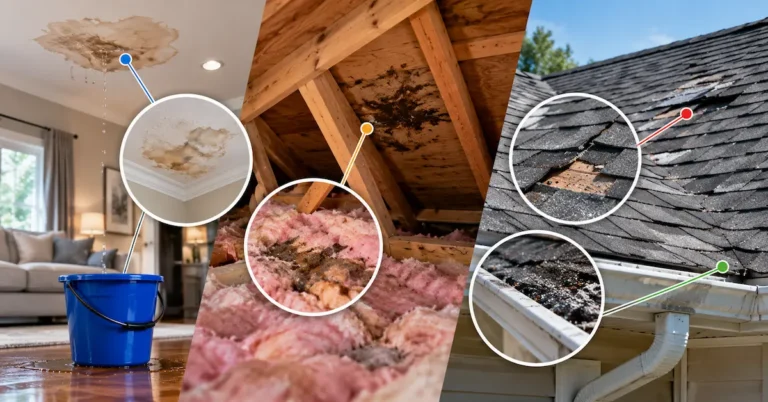
Most homeowners picture a roof leak as dripping water and a bucket on the floor. In reality, that’s usually the last stage of a leak, not the first. Long before water is actually falling into a room, a leak tends to leave a set of quieter, more visual clues in three different places: inside the house, in the attic, and on the roof itself.
Knowing what does a roof leak look like in each of these spots makes it much easier to catch a problem early, before it spreads into insulation, drywall, or the roof deck itself.
What a Roof Leak Looks Like Inside the House
Ceiling Stains
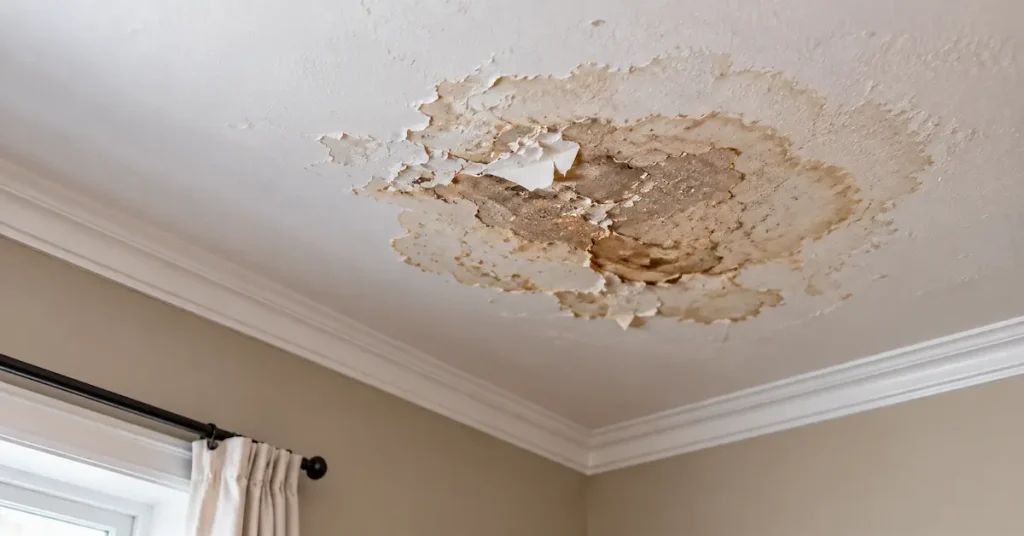
The most familiar sign is a stain on the ceiling, typically yellowish or brownish, often with a ring shaped edge that’s darker than the center. It doesn’t need to be actively wet or dripping to indicate a real leak. A dry, older looking stain can mean water got in once during a heavy storm and the area has since dried out, but the underlying cause is usually still there.
Peeling Paint or Bubbling Drywall
When moisture sits behind a painted surface, the paint often bubbles or peels away in small patches. Drywall exposed to sustained moisture can feel soft or slightly spongy when pressed gently, which is a sign the material itself has absorbed water rather than just being stained on the surface.
Discoloration on Walls
Leaks don’t only show up on ceilings. Water traveling down through wall cavities can create vertical streaking or discoloration, particularly near where a wall meets the ceiling or around window and door trim on an upper floor.
A Musty Smell Without a Visible Source
Sometimes the earliest sign isn’t visual at all. A persistent musty odor, especially in an upstairs room, can indicate moisture trapped in insulation or framing before any staining has become visible from below.
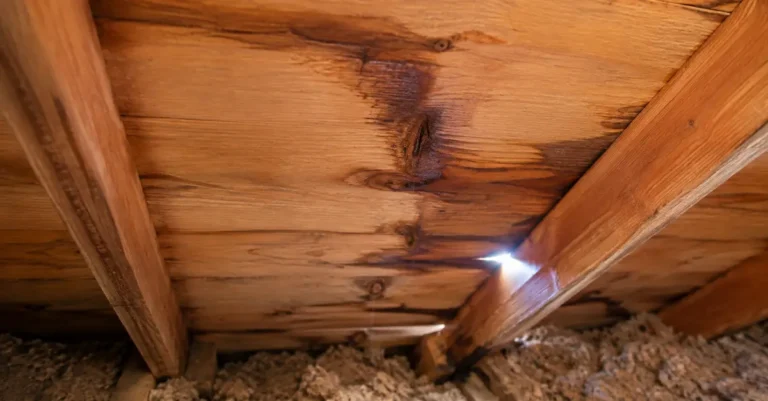
What a Roof Leak Looks Like in the Attic
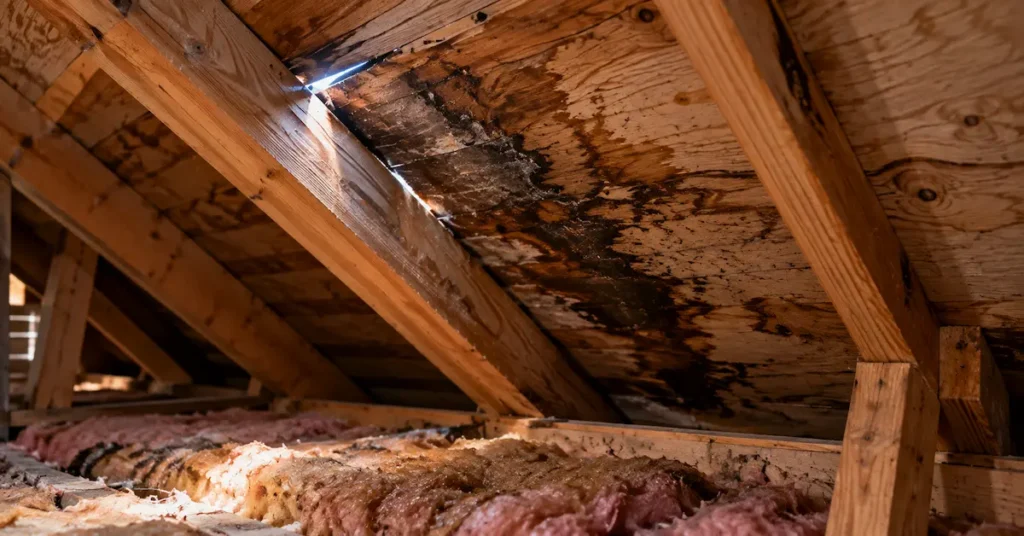
Checking the attic directly, when it’s safe to do so, often reveals a leak earlier than waiting for signs to show up in the living space below.
- Dark streaking on the underside of the roof deck, which usually follows the path water took as it traveled along a rafter or sheathing seam
- Damp, matted, or discolored insulation, since wet insulation looks visibly different from dry insulation and loses much of its effectiveness
- Visible daylight coming through a gap in the roof boards, which points to a hole or separation in the roofing material above
- Rust on nail heads or metal fasteners, which typically develops after repeated exposure to moisture over time
- Mold or mildew spots on wood framing, usually appearing as dark, slightly fuzzy patches rather than a simple stain
This is one of the reasons attic access matters so much for early detection. We covered this in more depth in our post on how to spot a roof leak before it becomes a major problem, including what to do once you’ve identified one of these signs.
What a Roof Leak Looks Like on the Roof Itself
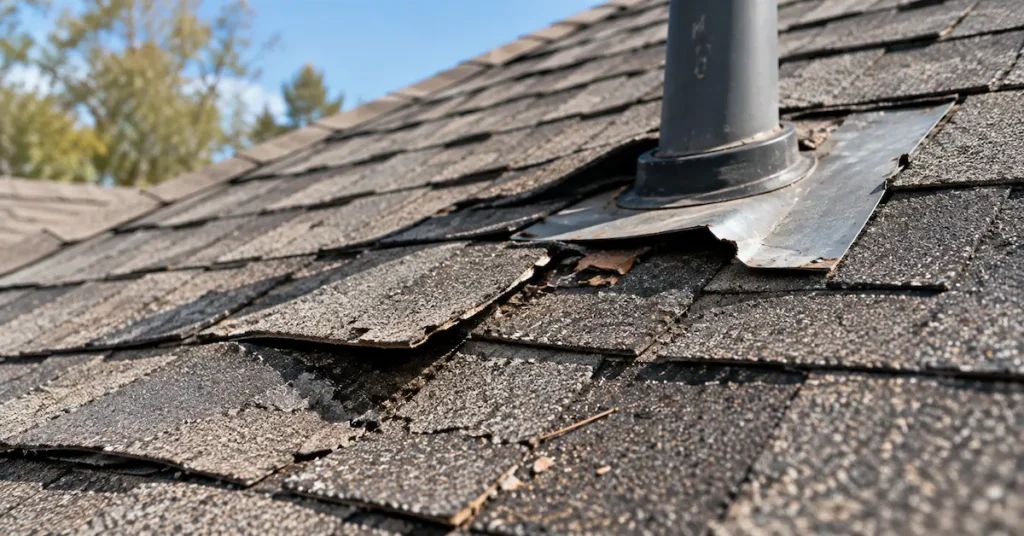
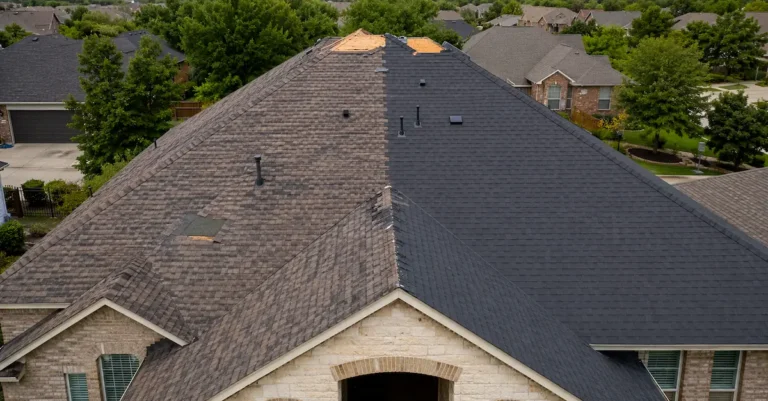
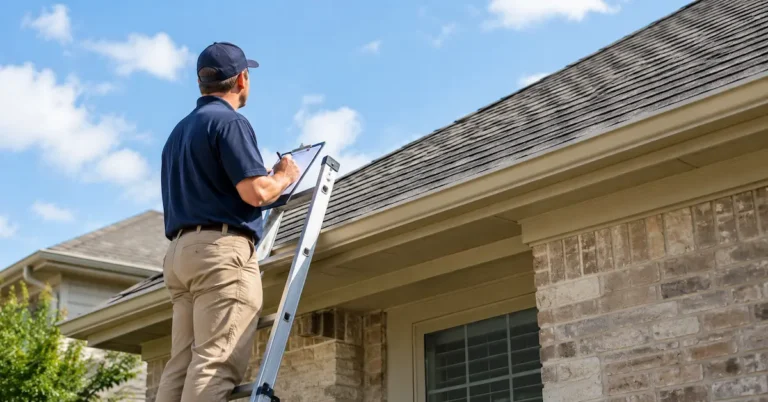
From the ground, with binoculars, or during a direct inspection, a few visual cues on the roof surface point to where a leak is likely to start:
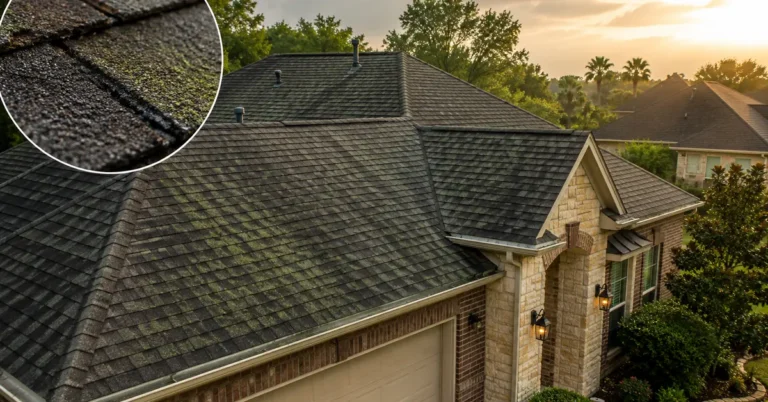
- Curling or cracked shingles, especially where edges have lifted away from the surface below
- Missing shingles, leaving a visibly bare patch of underlayment or decking
- Damaged or lifted flashing around chimneys, skylights, and roof to wall transitions
- Cracked or deteriorated pipe boots around plumbing vents, which are a common and often overlooked leak source
- Heavy granule buildup in gutters, which indicates a section of shingles has worn down significantly
These signs often overlap with some of the common roofing problems in Sugar Land homes, since Sugar Land’s combination of heat and humidity accelerates the kind of shingle wear and flashing deterioration that eventually leads to a leak.
Why the Visible Sign and the Actual Leak Aren’t Always in the Same Spot
One of the more confusing aspects of roof leaks is that water rarely falls straight down from where it enters. It often travels along the roof deck or down a rafter before finally dripping somewhere lower, which means the stain on your ceiling might be several feet away from the actual entry point on the roof. This is part of why leaks can be hard to trace by simply looking at the roof surface directly above a ceiling stain.
What Different Appearances Can Suggest
While only a direct inspection can confirm the actual cause, the appearance of a leak can offer some general clues:
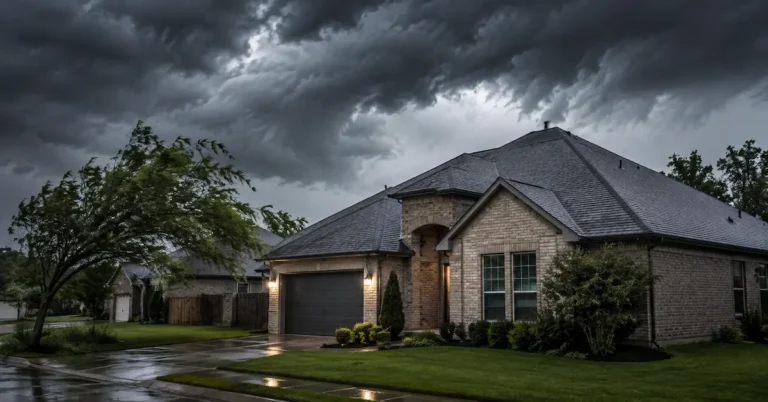
A fresh, actively wet stain after a storm often points to a specific, identifiable entry point, such as wind driven rain finding its way past a damaged shingle or flashing.
A dry, old looking stain that hasn’t grown may indicate an intermittent leak, one that only lets water through during heavy or wind driven rain, which can still be an ongoing issue even if it isn’t constant.
Multiple stains in different rooms suggest either more than one leak or a single leak that’s traveled further than expected along the roof structure before showing up in more than one location.
What to Do Once You Recognize the Signs
If any of these signs look familiar, a few steps help limit damage while you arrange a professional assessment:
- Place a container under any active dripping to protect flooring and furniture below
- Take photos of the stain, damaged area, or attic signs for your own records
- Avoid patching visible ceiling damage before the actual roof leak has been addressed, since repainting or repairing drywall too early can mask the problem without solving it
- Reach out for roof leak repair rather than waiting to see if the issue resolves on its own
A professional roof inspection that checks both the attic and the roof surface together is the most reliable way to actually locate where a leak is originating, rather than guessing based on where the damage happens to be visible inside the house.
The Bottom Line
A roof leak rarely looks dramatic in its early stages. It looks like a faint ceiling stain, a slightly damp smell, a patch of discolored insulation, or a section of shingles that looks a little rougher than the rest. Recognizing these early signs, in whichever of the three areas they show up first, is what allows a small, manageable repair instead of a larger one involving structural damage or mold.
If you’ve noticed any of the signs described here, having your roof and attic checked directly is the most reliable way to confirm what’s actually happening before it spreads further.
FAQ
Can a roof leak exist without any visible stain?
Yes. Water can sit in attic insulation or framing for a while before it ever shows up as a stain on the ceiling below, which is why checking the attic directly can reveal a leak earlier than waiting for interior signs.
Does a dry stain mean the leak has stopped?
Not necessarily. A dry, unchanged stain can mean the leak is intermittent, only appearing during certain weather conditions, rather than fully resolved.
Why does the ceiling stain sometimes not line up with the roof damage above it?
Water often travels along the roof deck or down a rafter before dripping down, so the visible sign inside the house isn’t always directly beneath the actual entry point on the roof.
Is a musty smell always a sign of a roof leak?
Not always, but a persistent musty odor, particularly near the ceiling or in an upstairs room, is common enough with hidden moisture that it’s worth investigating rather than dismissing.
Should I repaint a ceiling stain before having the roof checked?
It’s better to have the roof leak addressed first. Repainting or repairing the ceiling before the source is fixed just hides the problem rather than resolving it, and the stain is likely to return.