Hurricane season in the Atlantic runs from June 1 through November 30, with the most active stretch typically falling between mid August and mid October. For Sugar Land homeowners, that six month window means several months of paying closer attention to the one part of the house that takes the brunt of a tropical system: the roof.
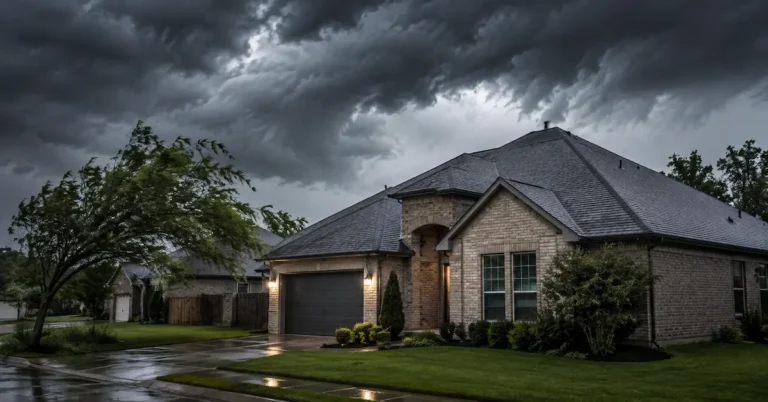
Sugar Land isn’t a coastal community, so storm surge isn’t the primary concern here the way it is closer to Galveston. What does reach inland communities like Sugar Land is sustained wind, heavy and prolonged rainfall, and the occasional tornado spun off from a tropical system. A roof that’s already weakened from age, minor storm damage, or simple wear is far more likely to fail under those conditions than one that’s been properly maintained and inspected beforehand.
Preparing your roof isn’t a single afternoon task. It’s a handful of specific checks and small repairs that, done ahead of time, make a meaningful difference in whether your roof holds up or becomes a source of water damage during and after a storm.
Why Roof Prep Matters More Inland Than People Expect
There’s a common assumption that inland areas are relatively safe from hurricane damage compared to the coast. That’s true for storm surge, but it’s not true for wind and rain. By the time a tropical system reaches Fort Bend County, it may have weakened from a hurricane to a tropical storm, but it can still bring sustained winds strong enough to lift loose or aging shingles, along with rainfall totals heavy enough to overwhelm a roof’s drainage system in a matter of hours. That’s on top of the year round moisture stress Sugar Land roofs already deal with, see our post on how the local humid climate affects roof lifespan which means a roof that’s already weakened by humidity has even less margin during storm season.
Sugar Land’s flat topography and its proximity to the Brazos River also mean that heavy, sustained rainfall can lead to localized flooding even without direct hurricane landfall nearby. A roof with clogged gutters or damaged flashing compounds that risk by allowing water to back up against the house rather than draining away from it.
Pre Season Roof Inspection Checklist
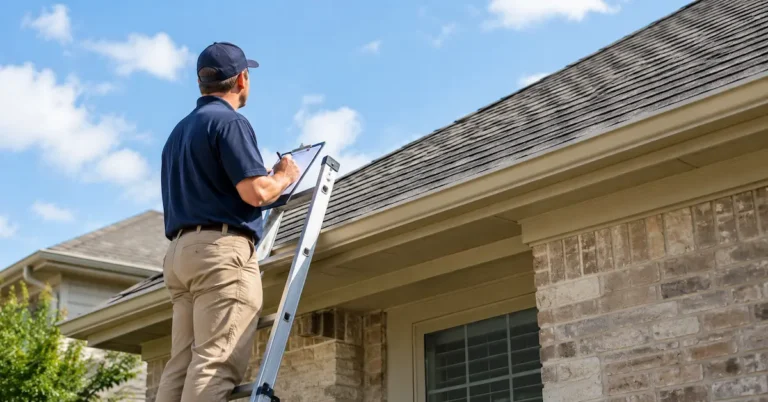
The best time to inspect your roof is well before the season’s active window, ideally in late spring. Here’s what a thorough pre season check should cover.
Shingle Condition
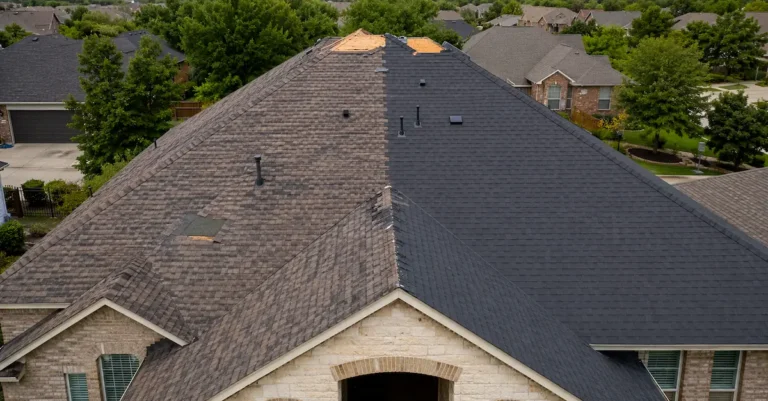
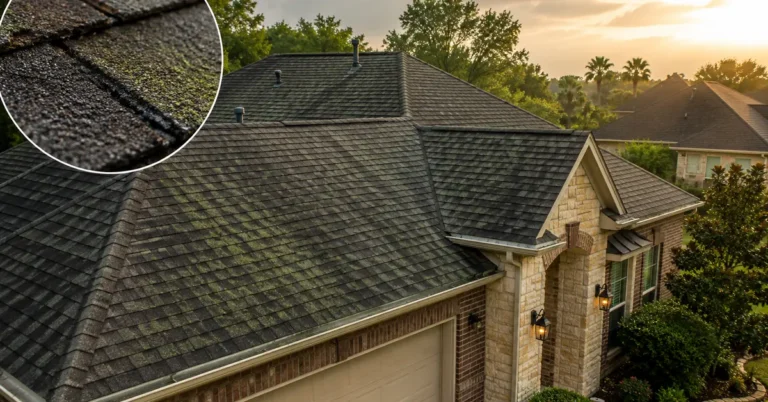
Look for shingles that are curling, cracking, or missing granules. These are the shingles most likely to lift or tear away in high winds. Even a handful of compromised shingles can create an entry point for wind driven rain.
Flashing and Seals
Flashing around chimneys, vents, skylights, and roof to wall transitions is one of the most common places for leaks to start. Check that flashing is securely attached and that sealant around penetrations hasn’t cracked or pulled away.
Gutters and Downspouts
Clogged gutters can’t move water away from the roofline fast enough during a heavy storm, which leads to water pooling and potentially seeping under shingles or behind fascia boards. Clear out debris and confirm downspouts are directing water well away from the foundation.
Attic and Ventilation
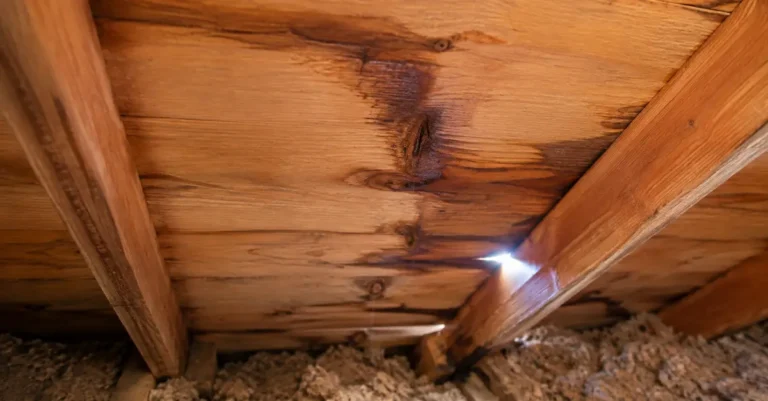
A quick look inside the attic can reveal water stains, daylight coming through the decking, or signs of existing moisture problems that would only get worse under storm conditions. Good attic ventilation also helps the roof structure handle pressure changes during high winds.
Trees and Overhanging Branches
Branches hanging over the roof are a liability during high winds, whether from direct impact or from dropping debris that can damage shingles or clog gutters mid storm. Trimming back overhanging limbs before the season starts is one of the simpler prevention steps available.
Loose or Aging Roofing Materials
Roofs nearing the end of their expected lifespan are more vulnerable across the board: loosened nails, brittle shingles, and weakened seals all become more common as a roof ages. If your roof is already showing multiple signs of wear, a professional roof inspection before the season can identify whether targeted repairs are enough or whether more significant work is warranted.
Repairs Worth Making Before the Season Starts
Not every issue needs to become a major project, but a few repairs consistently make the biggest difference heading into storm season:
- Replacing damaged or missing shingles rather than waiting until a full section needs attention
- Resealing or replacing worn flashing around roof penetrations
- Securing loose gutters and clearing downspouts completely
- Addressing any existing minor leaks, since a slow leak under normal conditions can become a significant intrusion point during sustained heavy rain
Handling these ahead of time is almost always more straightforward and less stressful than trying to schedule repairs in the middle of an active storm season, when contractors are busiest and materials may be harder to source quickly.
What to Do When a Storm Is Approaching
Once a storm system is tracking toward the Houston area, there’s limited time for anything beyond quick, practical steps:
- Clear gutters and downspouts one more time if you haven’t recently
- Secure or bring in any loose outdoor items that could become airborne debris and strike the roof
- Trim any last minute hazardous branches if there’s time and it’s safe to do so
- Take dated photos of your roof’s condition beforehand, which can be useful for insurance purposes if damage occurs
- Avoid getting on the roof yourself once wind and rain conditions begin
If your roof already has known vulnerabilities at this point, patchwork fixes in the day or two before a storm are better than nothing, but they aren’t a substitute for the inspection and repair window earlier in the season.
After the Storm Passes
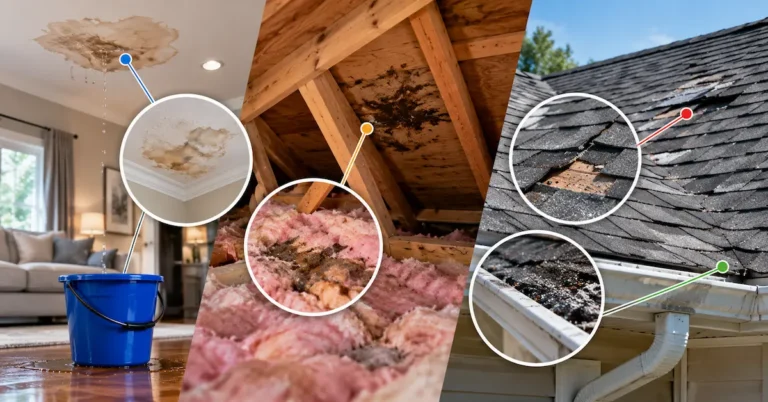
Post storm inspection matters just as much as pre season prep, even if nothing looks obviously wrong from the ground. Wind driven rain can work its way under shingles that look intact from a distance, and hail embedded in a tropical system can cause damage that isn’t visible without a closer look.
Signs worth checking for after a storm include:
- New water stains on ceilings or in the attic
- Granules collecting in gutters or at downspout outlets
- Visibly lifted, torn, or missing shingles
- Dented or damaged flashing, vents, or gutters
- Debris impact marks on the roof surface
If you notice any of these, storm damage roof repair should be addressed promptly delayed repairs give water more time to reach the roof deck and interior structure, which turns a manageable repair into a larger one. If wind or hail was significant, it’s also worth having a hail damage inspection even in the absence of obvious visible damage, since hail impact isn’t always apparent right after a storm.
Insurance and Documentation
Keeping records of your roof’s condition photos from before and after each storm season, along with any inspection or repair receipts makes the insurance claims process considerably smoother if damage does occur. It’s worth noting that in Texas, contractors are legally prohibited from waiving or absorbing your insurance deductible as part of a repair agreement, so be cautious of anyone offering to do so.
The Bottom Line
Hurricane season prep isn’t about predicting exactly what storm might reach Sugar Land in a given year. It’s about making sure your roof isn’t the weak point when one does. A roof that’s been inspected, cleared of debris, and had minor issues addressed ahead of time is simply far more capable of handling sustained wind and heavy rain than one that’s been left unchecked.
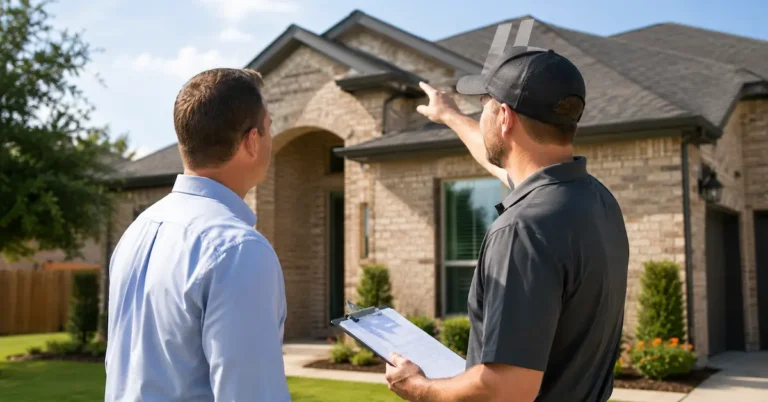
If you haven’t had your roof looked at yet this year, getting ahead of the season with a professional inspection is one of the most practical steps a homeowner can take before conditions turn active.
FAQ
Does Sugar Land actually get hit by hurricanes, or just tropical storms?
Sugar Land is inland, so it typically experiences tropical systems as tropical storms or weakened hurricanes rather than storms at peak coastal intensity. That said, wind damage and heavy rainfall from these systems can still be significant, and the region has experienced serious flooding events from slow moving tropical systems in the past.
How far in advance should I get my roof inspected before hurricane season?
Late spring, before the season’s official June 1 start, gives enough time to schedule repairs before the more active window in August through October.
What’s the most common cause of roof damage during a hurricane in this area?
Wind driven rain finding its way under compromised shingles or through weakened flashing is more common in this region than direct wind tear off, though both can occur depending on the storm’s intensity.
How much does hurricane season roof preparation cost?
It depends on your roof’s current condition a routine inspection and minor repairs cost far less than addressing storm damage after the fact. The most accurate way to know is to get a quote after a professional assessment.
Should I get my roof inspected even if it looks fine after a storm?
Yes. Wind and hail damage aren’t always visible from the ground, and a professional inspection can catch issues before they turn into leaks.